
The Digital Transformation of Fitness: Innovation or Over-Reliance?
The fitness industry has undergone a radical transformation with the advent of digital technology. From wearable devices to virtual coaching, digitalization has revolutionized how people approach health and wellness. But is this reliance on technology an improvement, or does it come with hidden costs?
The Rise of Digital Fitness
In recent years, fitness has shifted from traditional gym workouts and personal trainers to tech-driven solutions. Popular advancements include:
-
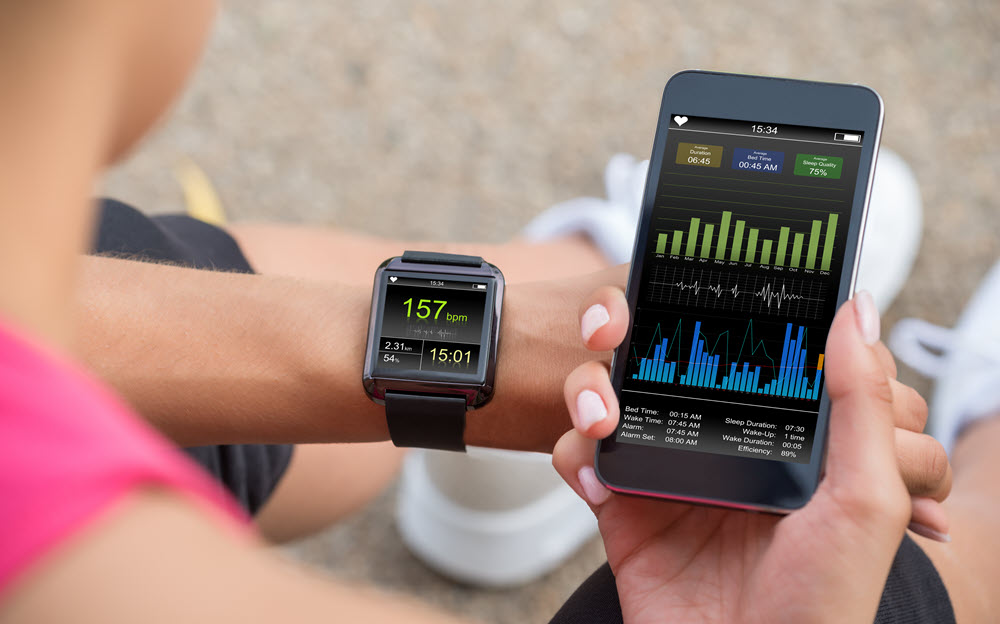
Wearable technology: Devices like smartwatches and fitness trackers monitor heart rate, calories burned, and sleep patterns.
-
Fitness apps: Platforms like MyFitnessPal and Strava help users track workouts, nutrition, and progress.
-
Virtual training: Online coaching and AI-driven programs provide personalized workouts without the need for in-person trainers.
-
Smart gym equipment: Companies like Peloton and Mirror integrate interactive training sessions into home workouts.
Advantages of Digital Fitness
-
Accessibility & Convenience: Users can work out anytime, anywhere, reducing barriers like travel time and expensive gym memberships.
-
Data-Driven Insights: Real-time monitoring helps users optimize workouts and track progress over time.
-
Personalization: AI-driven recommendations adapt to user habits, improving efficiency and motivation.
-
Community Engagement: Social features in apps create accountability and friendly competition among users.
The Downsides of Digitalization in Fitness
-
Over-Reliance on Technology: Many users become dependent on tracking devices rather than listening to their bodies.
-
Data Privacy Risks: Wearable tech and fitness apps collect sensitive health data, raising concerns about security and potential misuse.
-
Quality Control Issues: Not all digital fitness programs are backed by science, leading to misinformation and ineffective workouts.
-
Loss of Human Interaction: The personal connection with a trainer or workout partner is often missing in virtual environments.
Balancing Digital and Traditional Fitness
To maximize the benefits while mitigating risks, individuals should:
-
Use technology as a supplement, not a replacement, for intuitive exercise habits.
-
Verify the credibility of fitness apps and trainers before following advice.
-
Be mindful of data-sharing policies when using wearable tech.
-
Incorporate in-person training or group workouts for motivation and accountability.
Conclusion
The digital revolution in fitness has unlocked unprecedented opportunities for accessibility, personalization, and performance tracking. However, like any technological advancement, it comes with trade-offs. The key to long-term success lies in balancing digital tools with traditional fitness principles, ensuring that innovation enhances rather than replaces human intuition and connection.